
All American PML · Our Services
Rodent inspection, removal & exclusion
Scratching in the attic at night usually means mice or rats found a way in. Traps get the ones that are there, but more will use the same hole. So we remove them and then seal the hole.
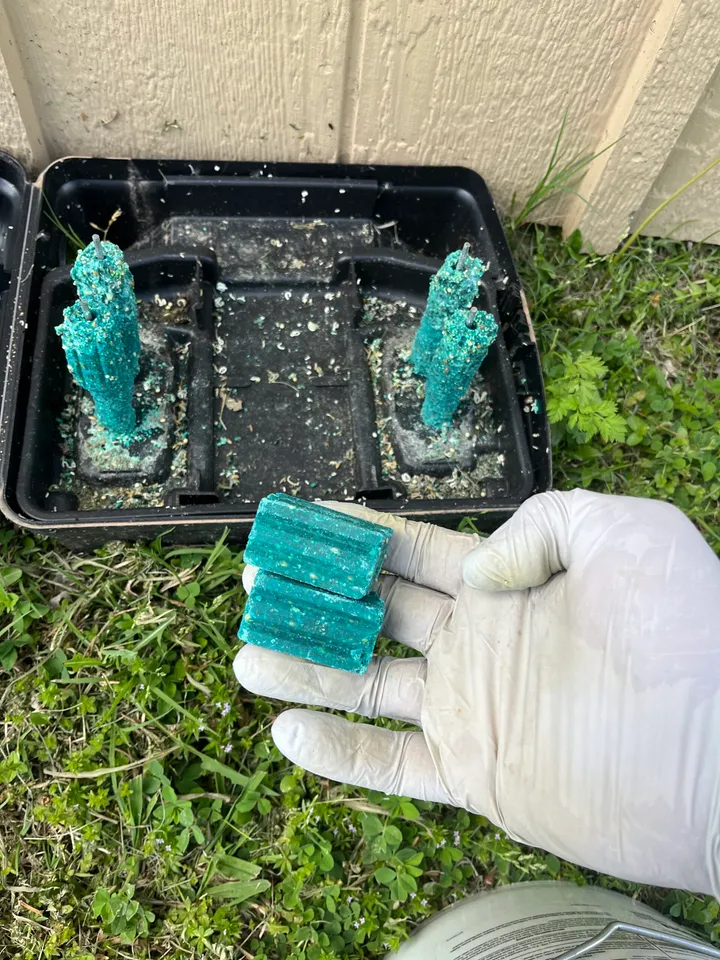
What we look for
Droppings, gnaw marks, nesting material, and the entry points: gaps at the roofline, worn garage door seals, pipe penetrations, foundation vents. A rat fits through a hole the size of a quarter. A mouse, a dime. So we check all of it.
How it works
We inspect first to see where they’re active and how they’re getting in. Then we set traps or bait stations along the routes they use, out of reach of kids and pets. Once they’re gone we seal the entry points so it doesn’t start over.
What to expect
We come back until the activity stops, and we’ll tell you what we’re finding along the way. Sealing the house is what makes it stick. Without that you’re just trapping the same problem every winter.
Common Questions
Rodent Protection FAQs
How do I know if I have mice or rats?
Noise at night, droppings in the pantry or garage, chewed-up packaging. The inspection will tell you which one you’ve got and how they’re getting in, and it’s free.
Are the bait stations safe around pets?
Yes. The stations are tamper-resistant and we put them where pets and kids can’t get to them. We’ll show you where every one is.
Do you seal the entry points too?
Yes. That’s the whole point. If you trap them and leave the hole open, you’ll be trapping again next month.